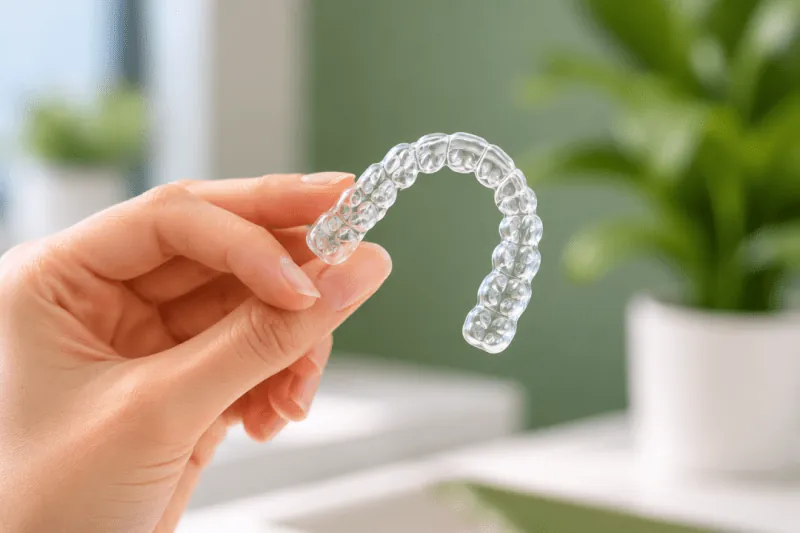
Orthodontics does far more than create a straighter smile. It corrects the mechanical relationships between teeth and jaws that affect how you chew, speak, breathe, and age. Here is what the specialty actually involves, who it is for, and why delaying treatment often costs more than acting.
Nobody grows up thinking about their bite. You either had braces as a child, skipped them and moved on, or have been quietly suspecting that something feels off for years. Either way, orthodontics is almost certainly more relevant to your life than you realize.
The field is also considerably broader than most people understand. Orthodontics is not a cosmetic procedure layered on top of dentistry. It is its own specialty, with its own residency training, its own diagnostic framework, and its own scope of outcomes that include function, airway, and long-term structural health.
What Orthodontics Actually Is
Orthodontics is the dental specialty focused on diagnosing and correcting misaligned teeth and jaws. Not cleaning them. Not filling them. Moving them, repositioning them, and making sure the upper and lower jaw work together as they are designed to.
A board-certified orthodontist completes dental school and then undertakes a separate two-to-three-year residency focused entirely on tooth movement, jaw development, and bite correction. That training pathway is distinct from general dentistry, and it shows up in how complex cases are handled.
General dentists can legally perform some orthodontic procedures. However, the depth of training behind a board-certified specialist is not equivalent. If you are comparing providers, that distinction is worth understanding before you commit to a multi-year treatment plan.
Orthodontics addresses the mechanical issues underneath a smile. Appearance is often a byproduct, not the goal.
The Conditions Orthodontics Treats: More Than Crooked Teeth
Perfectly aligned teeth are rare. Most people live with some degree of malocclusion, a term for a misaligned bite, without ever having been told it has a clinical name. The American Association of Orthodontists is explicit that these conditions rarely resolve on their own and tend to worsen with age.
Orthodontics addresses:
- Crowded or overlapping teeth that are difficult to clean effectively
- Gaps between teeth caused by missing teeth or natural spacing
- Overbites, where the upper teeth excessively cover the lower teeth
- Underbites, where the lower jaw protrudes beyond the upper
- Crossbites, where upper and lower teeth close on the wrong side of each other
- Open bites, where front teeth do not contact even when the back teeth are closed
- Protruding front teeth, which carry elevated risk of trauma
- Jaw misalignment affecting chewing mechanics, speech patterns, or airway function during sleep
Each of these conditions has clinical consequences beyond aesthetics. They affect how force is distributed across the teeth over a lifetime, which matters for the long-term survival of individual teeth and restorations.
Orthodontics Is a Health Decision, Not a Cosmetic One
This distinction matters and is persistently misunderstood. Crooked teeth are structurally harder to clean. Plaque accumulates in tight interproximal spaces that neither a toothbrush nor standard flossing can reliably reach. Over years, this raises the risk of tooth decay and gum disease in ways that compound quietly, often without symptoms until the damage is advanced.
The American Dental Association has consistently documented links between poor alignment and long-term oral health problems that extend well beyond cosmetic presentation. These include accelerated enamel wear, increased periodontal disease risk, and mechanical stress on the temporomandibular joint.
Bite problems also contribute to jaw pain, chronic headaches, difficulty chewing, and in some cases airway disruption during sleep. Treatment corrects the underlying mechanics, not merely the surface appearance.
Crooked teeth are harder to clean. That is not an opinion. It is a structural fact with well-documented downstream effects on decay risk and gum disease.
Who Orthodontics Is For: A Guide by Age Group
The short answer is every age group. The approach, timing, and specific mechanics of treatment look different depending on where a patient is in their development.
Children: The Case for Early Evaluation
The American Association of Orthodontists recommends a first orthodontic evaluation by age 7. Treatment rarely begins at that stage, but early assessment allows the orthodontist to monitor jaw development and identify problems while the bone is still responsive and intervention is straightforward.
Some children benefit from phase-one or interceptive treatment to guide jaw growth before the permanent dentition fully erupts. This can reduce both the complexity and the duration of comprehensive treatment later. Learn more about early orthodontic treatment at Alinea.
Adolescents: The Classic Window
Adolescence remains the most common and often most efficient window for comprehensive orthodontic treatment. Most permanent teeth are present, the jaw is still actively growing, and teeth respond more readily to biomechanical forces at this stage than they will in adulthood.
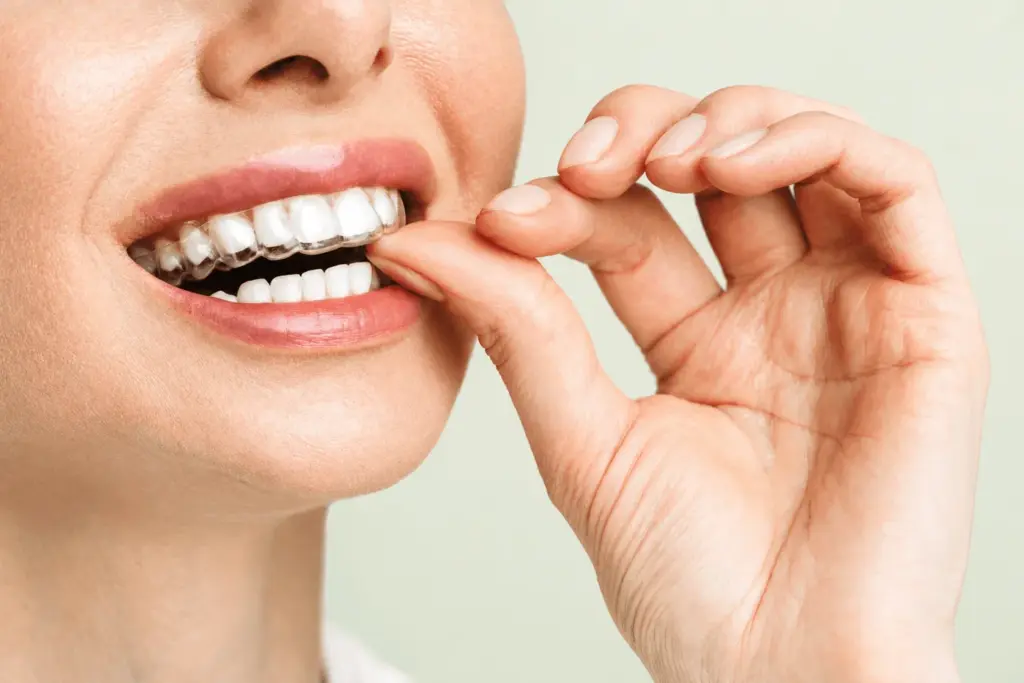
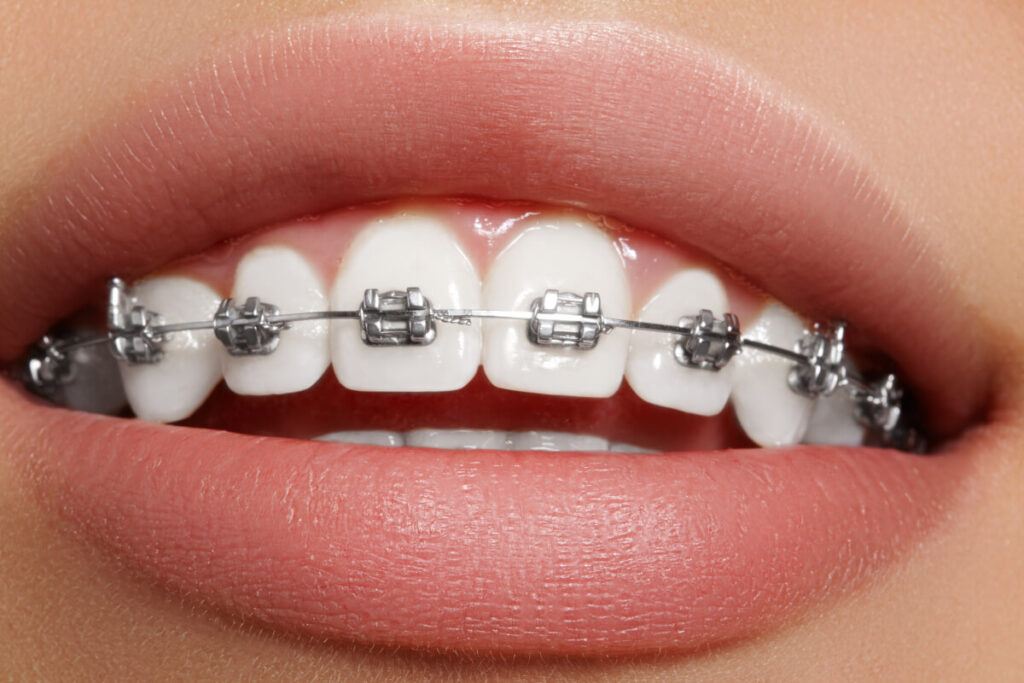
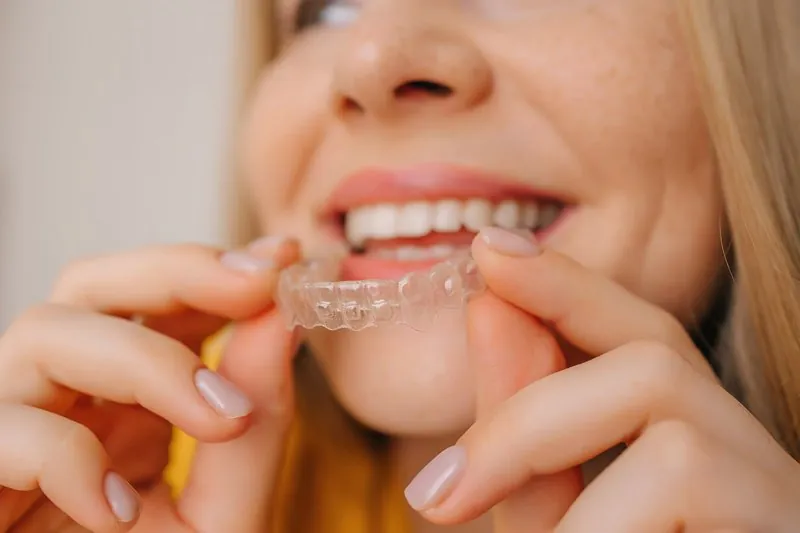
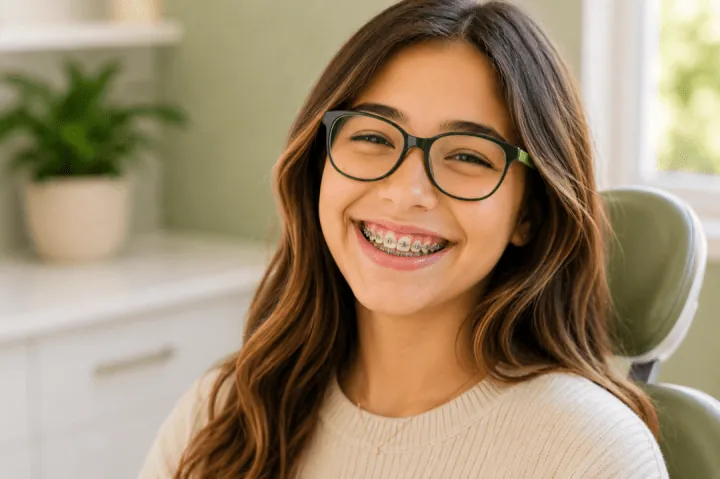
Both traditional braces and clear aligners like Invisalign perform well for adolescent patients. The choice between them depends on the clinical complexity of the case, patient compliance requirements, and individual lifestyle considerations.
Adults: No Age Cutoff on Getting It Right
One in four orthodontic patients is now an adult, and that proportion has grown steadily as treatment options have become less visible and more compatible with professional life.
Teeth shift continuously throughout adulthood. Earlier untreated problems tend to surface or worsen. There is no biological or clinical age cutoff on orthodontic treatment. Adults respond well, and the discreet options available today, including clear aligners, ceramic brackets, and lingual braces, make treatment considerably less visible than it was a generation ago.
What Board Certification Actually Means
Not all orthodontists bring the same level of training to a case. The standard residency credential qualifies a practitioner to perform orthodontics. Board certification by the American Board of Orthodontics is held by fewer than half of all practicing orthodontists in the United States. It requires passing rigorous written and clinical examinations well beyond what a standard residency demands.
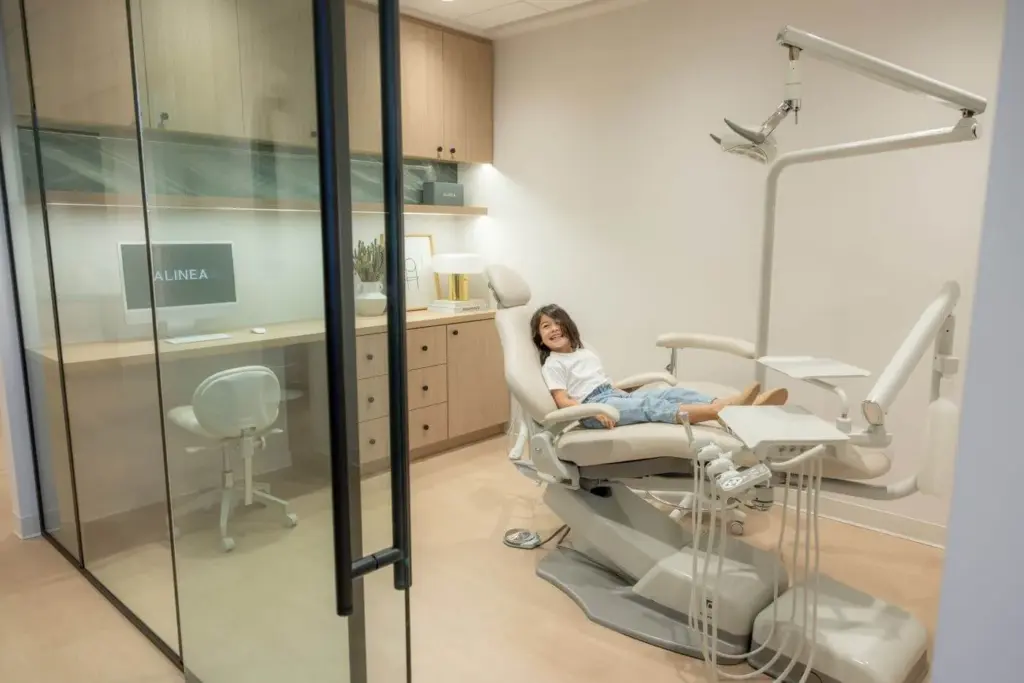
At Alinea Orthodontics in Santa Monica, our orthodontist is board-certified by the American Board of Orthodontics and completed advanced training at New York-Presbyterian/Weill Cornell Medical Center, bringing over a decade of clinical experience in orthodontics and dentofacial orthopedics. Digital 3D scanning and AI-assisted treatment planning are part of standard practice. Each treatment plan is built to the individual case, not fitted to a template.
For patients comparing providers in the Santa Monica and Los Angeles area, this level of credentialing represents a meaningful clinical distinction, not a marketing formality.
Board certification by the American Board of Orthodontics is held by fewer than half of practicing orthodontists. It requires examinations beyond what a standard residency demands and it is worth asking about.
Book a Free Orthodontic Consultation in Santa Monica
Whether you are exploring treatment for a child, a teenager, or yourself, the first step carries no obligation and no cost. At Alinea Orthodontics, consultations are completely free. Our team reviews your specific situation, explains what orthodontic treatment would involve, and provides a direct assessment before any commitment is made.
Call (424) 428-0008 or book online to speak with our team directly.
References
- American Association of Orthodontists. What Is Orthodontics? AAO; 2023. Accessed June 2025. https://www.aaoinfo.org/orthodontics/
- American Dental Association. Malocclusion and Oral Health Outcomes. ADA Clinical Resources; 2022. Accessed June 2025. https://www.ada.org
- American Association of Orthodontists. Your Child and Orthodontics: Why Age 7 Matters. AAO Patient Resources; 2023. Accessed June 2025. https://www.aaoinfo.org
- American Association of Orthodontists. Adult Orthodontics: One in Four Orthodontic Patients Is an Adult. AAO Consumer Resources; 2022. Accessed June 2025. https://www.aaoinfo.org
- American Board of Orthodontics. About Board Certification. American Board of Orthodontics; 2024. Accessed June 2025. https://www.americanboardortho.com
- Proffit WR, Fields HW, Larson B, Sarver DM. Contemporary Orthodontics. 6th ed. Elsevier; 2018.
Recent Posts