Not All Braces Are Created Equal. Here Is What Sets Them Apart.
As orthodontic options have multiplied, so has the confusion. A guide to what exists, who each option suits, and what patients should weigh before deciding.
Walk into an orthodontic office today and the menu looks nothing like it did a decade ago. The landscape of teeth-straightening technology has expanded well beyond the metal-bracket-and-wire setup most people picture from childhood. Some braces now sit behind the teeth, invisible from any angle. Some come shaped like stars or Mickey Mouse ears. Some are not braces at all in the traditional sense.
The variety, while welcome, can be paralyzing. What follows is a plain-language guide to every treatment option currently available — who each one suits, and what patients should know before they decide.
Why the Choice Matters More Than You Might Think
This is not merely a question of aesthetics. Different orthodontic options suit different cases, different age groups, and different daily lives. A treatment that produces excellent results for a teenager with mild crowding may be entirely wrong for an adult correcting a significant bite problem.1
The American Association of Orthodontists has long maintained that the best outcomes come from matching treatment to a patient’s specific clinical needs — not to whatever happens to be fashionable or heavily marketed. The case for consultation first, and searching online second, is a strong one.
Metal Braces
The original. Still among the most effective options available, and still the most common worldwide.2
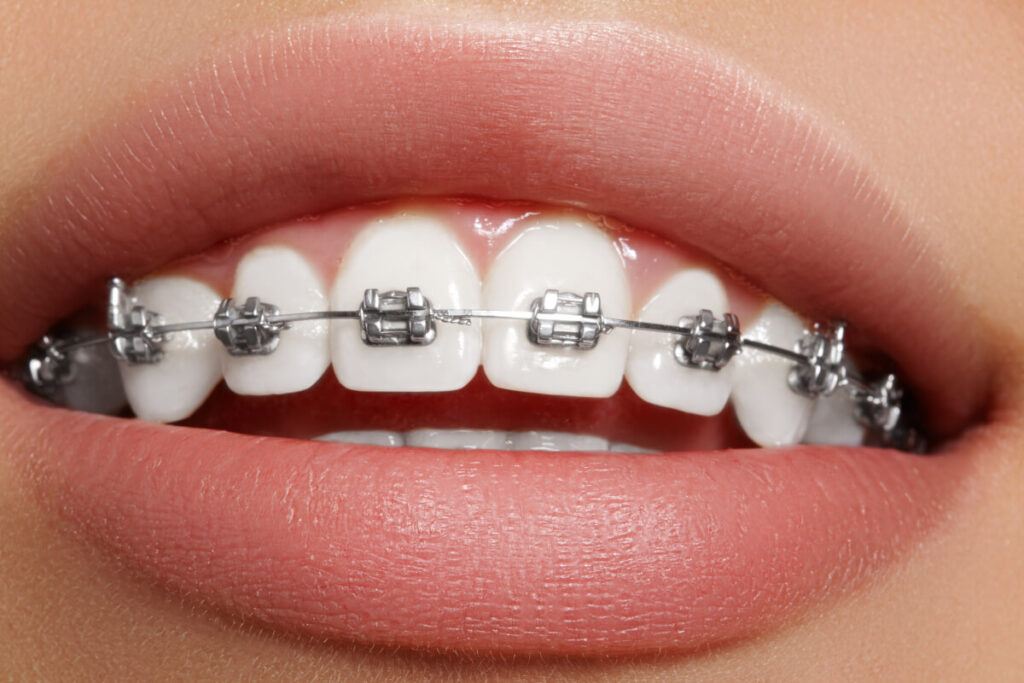
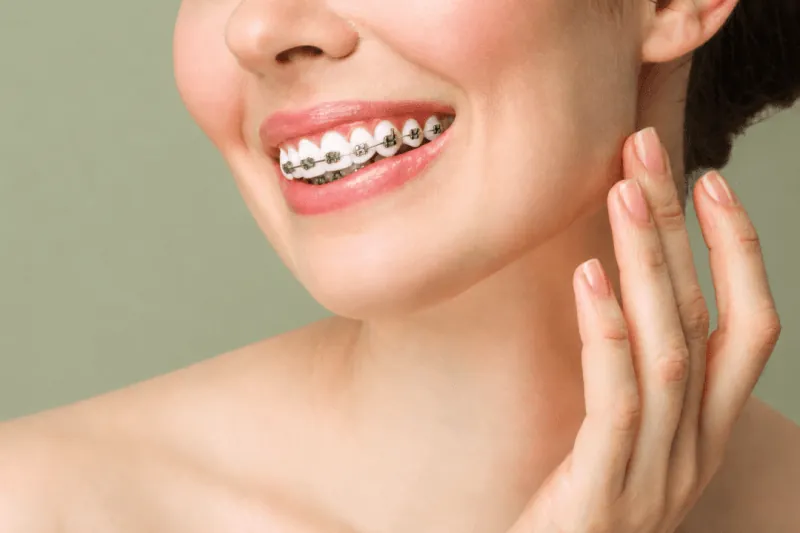
Metal braces use high-grade alloy brackets bonded to the front of each tooth, connected by a wire that is adjusted over time to apply graduated pressure, coaxing teeth gradually into alignment. Modern versions are considerably smaller and more comfortable than the hardware of a generation ago.
They remain the benchmark for complex cases — significant crowding, bite corrections, jaw alignment issues.3 For patients who want reliable, predictable results without the compliance demands of removable alternatives, metal braces are difficult to beat. The trade-off is visibility and a list of foods to avoid: anything sticky, chewy, or hard is off the table for the duration of treatment.
They are most commonly chosen for children and teenagers, though adults with involved cases opt for them too.

Ceramic Braces
The mechanics are identical to metal braces. The material is not.
Ceramic brackets are made from a clear or tooth-colored composite that blends more naturally against tooth enamel. From across a room, they read as substantially less conspicuous than metal. Up close, they are still present — just quieter.
The trade-off is upkeep. Ceramic brackets are somewhat more prone to staining, particularly for patients who drink coffee or tea regularly or whose oral hygiene lapses during treatment.4 They also require more care during brushing. For patients who want the reliability of fixed treatment with a subtler appearance, ceramic occupies a credible middle ground.
Lingual Braces: The Hidden Option
For patients who want treatment completely out of sight, a newer category of lingual braces — including Brava by Brius — does something conventional options cannot. The brackets attach to the tongue-side surface of the teeth, making them invisible from any angle a person would normally encounter in daily life.
What distinguishes Brava from older lingual systems is its independent mover technology: each tooth moves along its own programmed path simultaneously, rather than being pulled in sequence by a single wire.5 The manufacturer reports this approach can meaningfully shorten treatment time and reduce the number of required office visits.
Because there are no wires connecting teeth across the front, brushing and flossing remain close to what patients are used to — a significant practical advantage over earlier lingual designs.6 This option tends to attract working professionals and anyone for whom visible hardware is genuinely untenable.
WildSmiles: The Option Designed for Kids
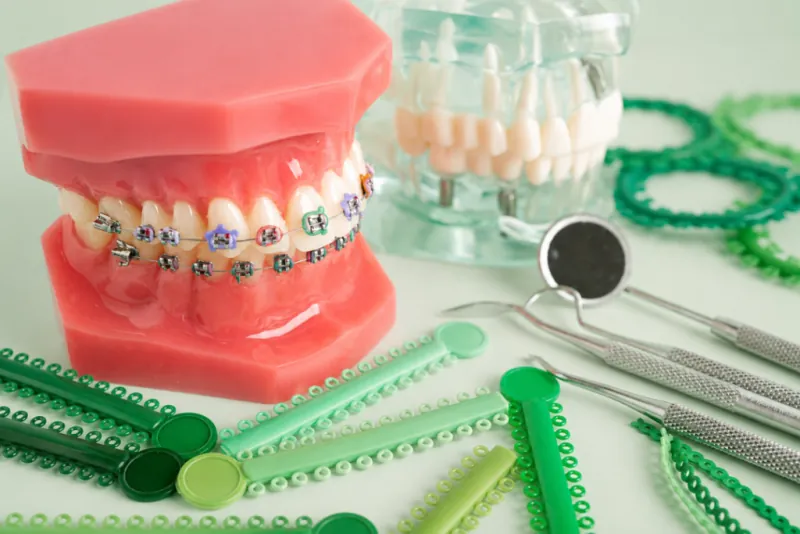
A variation on traditional metal braces, WildSmiles brackets come in a range of shapes — stars, hearts, footballs, diamonds, flowers. Disney-themed options are also available, including Mickey Mouse brackets and themed elastics.
Beyond the novelty, the brackets are engineered so plaque accumulates on the bracket pad rather than directly on tooth enamel, which makes hygiene maintenance somewhat more manageable.7
The underlying logic is behavioral as much as clinical. When a young patient has some say in how the hardware looks, engagement tends to improve — and over a treatment course that can last a year or more, that buy-in has real value.8
Clear Aligners
Technically not braces at all. But no guide to orthodontic treatment would be complete without them.
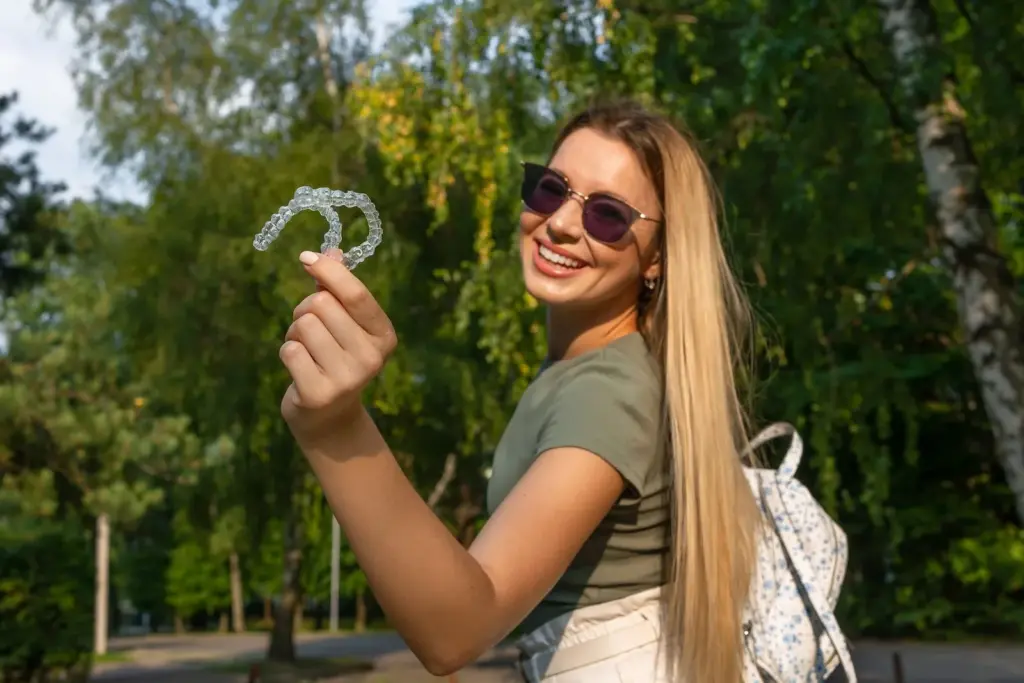
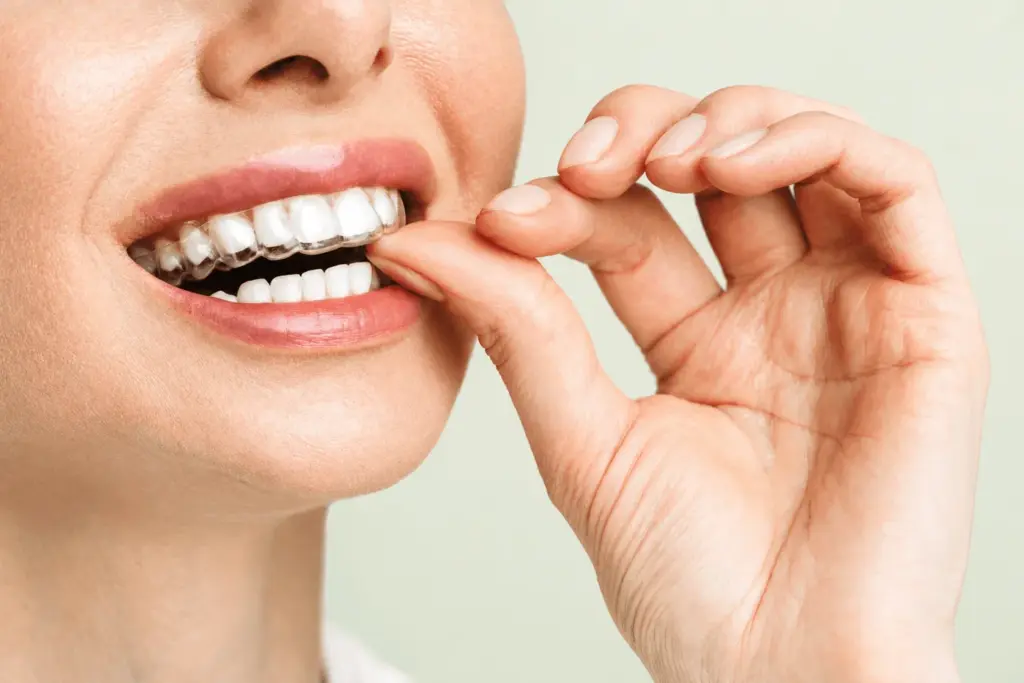
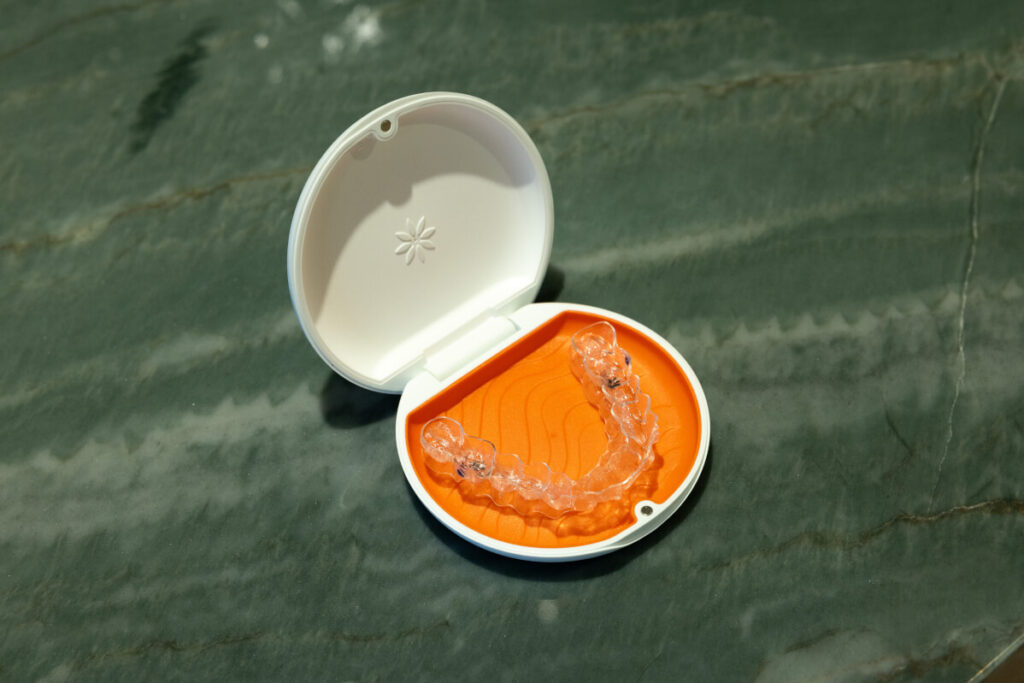
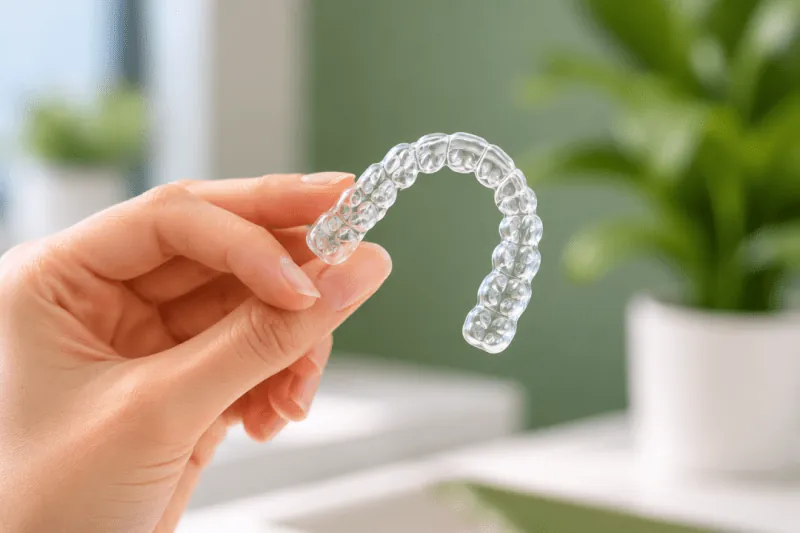
Invisalign, the dominant brand in the category, uses a series of custom-made, removable clear aligners to move teeth gradually, without brackets or wires. Patients progress through new sets roughly every two weeks. The American Dental Association recognizes clear aligner therapy as an effective treatment for a wide range of alignment issues.910
The system works best for mild to moderate cases. At Alinea, Blue Diamond Invisalign Provider status reflects top-tier case experience across the full range of complexity.11 One caveat applies broadly: aligners must be worn 20 to 22 hours per day.12 The flexibility that makes them appealing is also the thing that can undermine them.
A Note on Making the Decision
The right treatment comes down to the specifics of a patient’s teeth, the complexity of the correction needed, and the practical realities of their daily life. No single option is universally superior.
What matters most, orthodontists say, is a thorough clinical assessment before committing to anything — the kind that accounts not just for what is possible, but for what is actually appropriate.
Alinea Orthodontics is a boutique practice in Santa Monica, California. Board certified by the American Board of Orthodontics, the practice offers all treatments described above. Free consultations are available by appointment at (424) 428-0008 or at alineaorthodonticsca.com.
References
- American Association of Orthodontists. Clinical Practice Guidelines for Orthodontic Treatment. AAO; 2023. Accessed May 2026. https://www.aaoinfo.org
- Angle EH. Treatment of Malocclusion of the Teeth. 7th ed. S.S. White Dental Mfg Co; 1907.
- Papageorgiou SN, Kutschera E, Memmert S, et al. Efficacy of orthodontic treatment with functional appliances on mandibular growth: a systematic review of the literature. Eur J Orthod. 2016;38(2):113-126. doi:10.1093/ejo/cjv061
- Unit S, Benyair R, Kertes PJ, Sterer N. Staining susceptibility of esthetic bracket materials: an in-vitro study. Angle Orthod. 2017;87(4):532-538. doi:10.2319/082816-649.1
- Brius Technologies. Brava Independent Mover Technology: Clinical Overview. Brius; 2022. Accessed May 2026. https://www.brius.com
- Proffit WR, Fields HW, Larson B, Sarver DM. Contemporary Orthodontics. 6th ed. Elsevier; 2018.
- WildSmiles Braces. Bracket Design and Oral Hygiene Performance. WildSmiles; 2021. Accessed May 2026. https://www.wildsmiles.com
- Yilmaz BS, Kaya B, Uysal T. Impact of orthodontic bracket aesthetics on adolescent treatment acceptance and compliance. J Orthod. 2021;48(1):45-52. doi:10.1177/1465312520966437
- Ke Y, Zhu Y, Zhu M. A comparison of treatment effectiveness between clear aligner and fixed appliance therapies. BMC Oral Health. 2019;19(1):24. doi:10.1186/s12903-018-0695-z
- American Dental Association. Statement on Clear Aligner Therapy. ADA; 2022. Accessed May 2026. https://www.ada.org
- Align Technology. Invisalign Provider Tier Criteria. Align Technology; 2024. Accessed May 2026. https://www.invisalign.com
- Tuncay OC. The Invisalign System. Quintessence Publishing; 2006.
Recent Posts