
Braces in Santa Monica: How They Work, What They Treat, and Which Type Is Right for You
A guide to how orthodontic treatment actually works, what it corrects, and how to choose the right option — for adults and children alike.
Most people have an opinion about braces formed sometime in middle school. Either they had them, or they watched someone else navigate two years of adjustment appointments and rubber bands, and filed the experience away as something to revisit — or avoid — later. Neither group tends to know much about what braces are actually doing inside the mouth.
The mechanics are more biological than most patients expect. And the options available today look almost nothing like what was on offer a generation ago.
What Braces Are Actually Doing
Braces do not snap teeth into place. They apply consistent, calibrated pressure over time — and the body responds to that pressure by slowly remodeling the bone around each tooth.1
On the side a tooth is moving toward, bone tissue gradually resorbs to make room. On the side it is moving away from, new bone fills in behind it. The process is biological, not mechanical, which is why it takes months rather than weeks.2 Rushing it does not work. The pressure has to be steady and carefully planned — which is one reason the clinical training behind treatment planning matters as much as it does.
Board certification by the American Board of Orthodontics — a credential fewer than half of practicing orthodontists hold3 — reflects a higher standard of clinical assessment and treatment design than licensure alone.
What Braces Treat
The range of issues orthodontic treatment addresses is wider than most patients assume. Crowded or overlapping teeth and gaps are the cases people tend to picture. But braces also correct overbites, underbites, crossbites, open bites, and misaligned jaws — structural problems that affect function as well as appearance.
The American Dental Association notes that untreated alignment issues can make teeth significantly harder to clean, raising the long-term risk of decay and gum disease.45 For many patients, the decision to pursue orthodontic treatment is as much a health decision as an aesthetic one.
The Options
Not every patient needs the same treatment. The right choice depends on the complexity of the case, the patient’s age, and the practical realities of their daily life.
Metal Braces
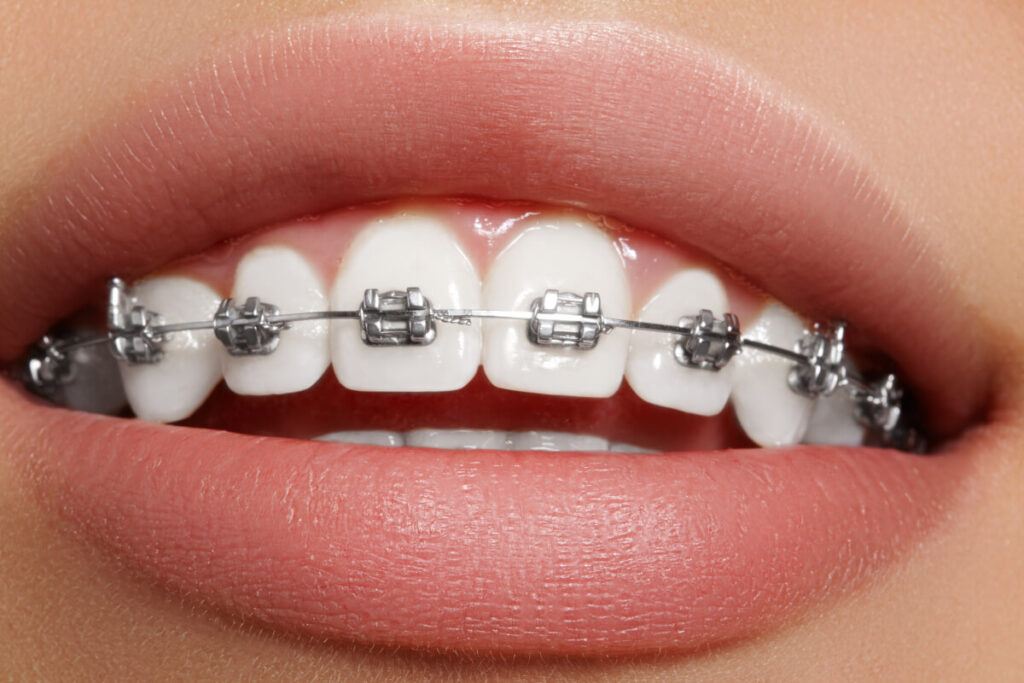
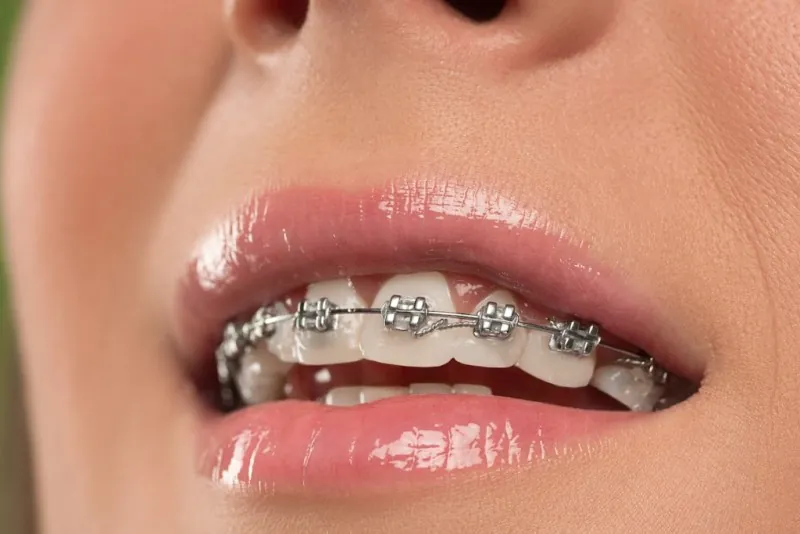
The original, and still widely used for good reason. Metal braces handle the broadest range of cases — including complex ones — with reliable, predictable results.6 The brackets bond to the front of each tooth; a wire threads through them; adjustments at each visit apply fresh pressure. Modern versions are smaller and more comfortable than older designs. For younger patients especially, colored elastic options have made the hardware something to personalize rather than endure.
Ceramic Braces
The mechanics are identical to metal braces. The difference is material: ceramic brackets are made from a clear or tooth-colored composite that blends more naturally with enamel. From a distance, they are noticeably less conspicuous. The trade-off is maintenance — ceramic is somewhat more susceptible to staining,7 particularly for patients who drink coffee or tea regularly. For patients who want the reliability of fixed treatment with a subtler appearance, ceramic occupies a credible middle ground.
Brava Hidden Braces
For patients who want treatment completely out of sight, Brava by Brius takes a fundamentally different approach. The brackets sit on the tongue-side surface of the teeth, invisible from any angle a person would normally encounter in daily life. What distinguishes Brava from conventional lingual systems is its independent mover technology — each tooth follows its own programmed path simultaneously, rather than being pulled along by a single wire.8 The manufacturer reports this can meaningfully reduce treatment time compared to traditional lingual braces. Because no wire runs across the front of the teeth, brushing and flossing remain close to normal. The system handles complex cases with the same effectiveness as front-facing alternatives.
WildSmiles Braces
A variation on traditional metal braces in which the brackets come in shapes — stars, hearts, sports balls, diamonds. WildSmiles was designed specifically for younger patients who want to make orthodontic treatment feel less like something happening to them and more like something they chose. The underlying mechanics are identical to standard metal braces. Research suggests that aesthetic engagement with bracket appearance correlates with improved compliance over the course of treatment.9
Braces or Clear Aligners: An Honest Comparison
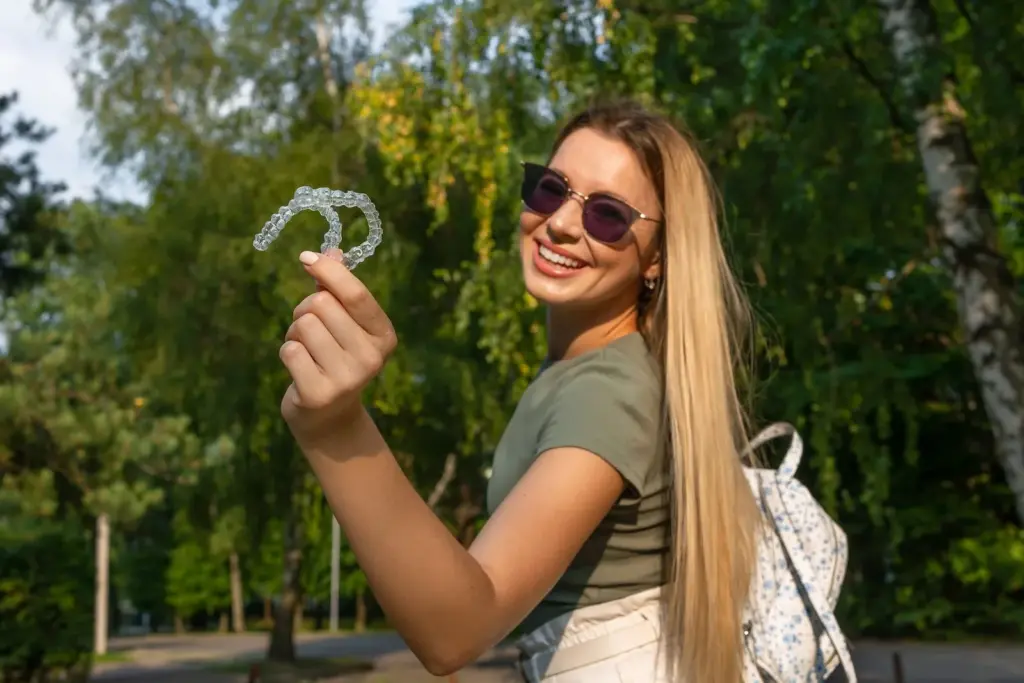
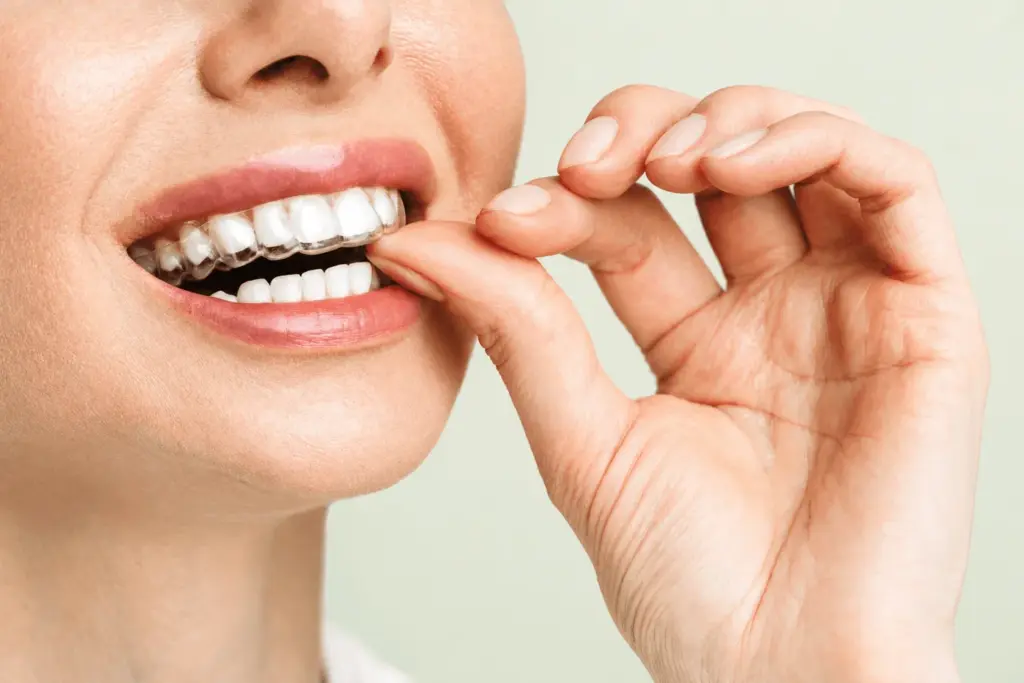
The question of braces versus Invisalign comes up in nearly every new patient conversation. The honest answer is that neither is categorically superior — the right choice depends on the clinical picture and the patient’s life.
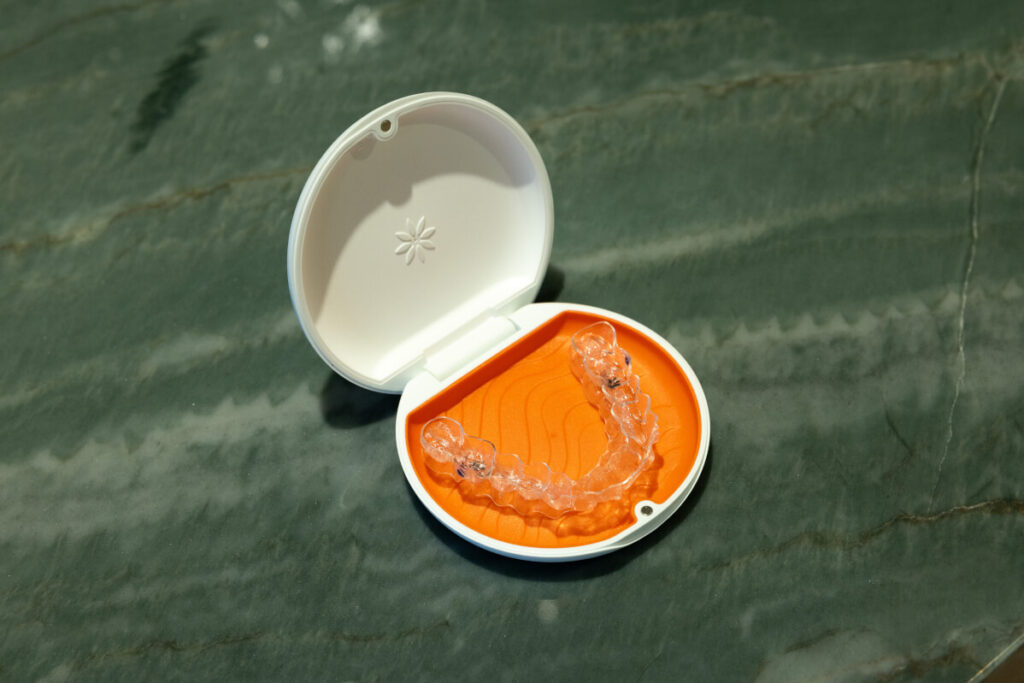
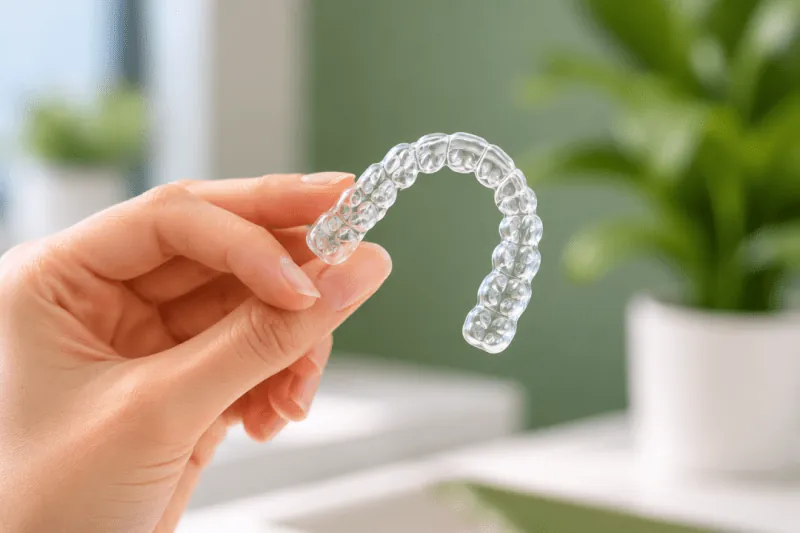
Fixed braces tend to be the stronger call for complex alignment issues, significant jaw correction, and younger patients who may not reliably wear removable aligners the required 20 to 22 hours per day. Clear aligners work well for mild to moderate cases and patients who prioritize discretion and flexibility.11
The American Association of Orthodontists is consistent on this point: the best treatment is the one matched to a patient’s specific clinical needs, not simply to personal preference.10 At Alinea, Blue Diamond Invisalign Provider status12 means the full range of clear aligner complexity is within scope — but it does not change the clinical calculus. The right tool is the right tool.
What Treatment Involves
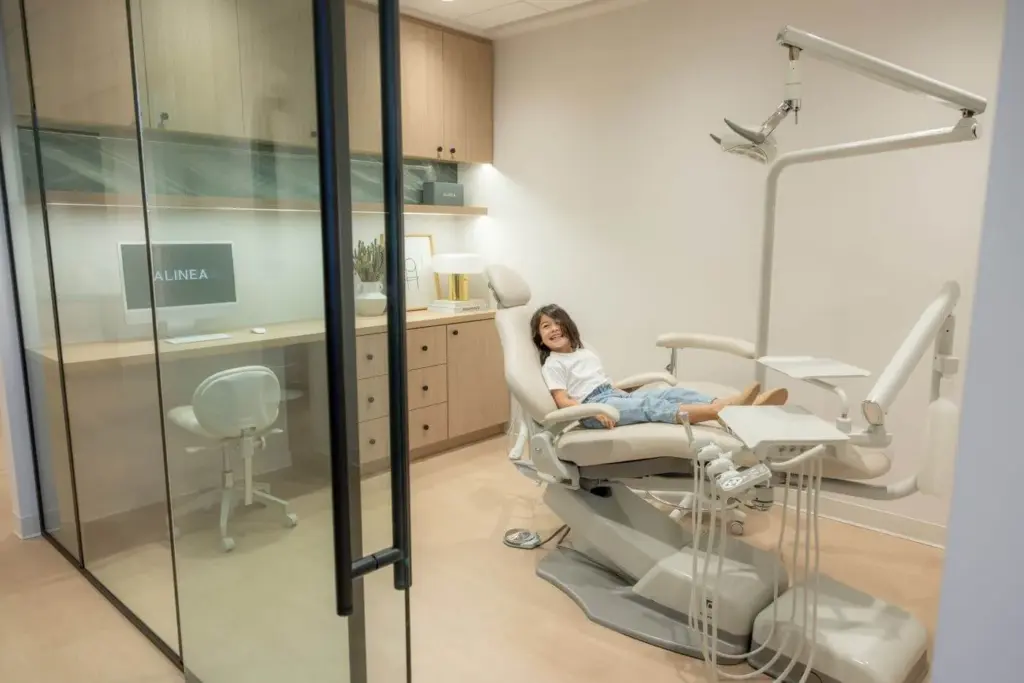
The first visit at Alinea is free. The team looks at your teeth, walks through the relevant options, and gives a straight answer on what treatment would actually involve for your specific case — before anything is decided.
Treatment fees cover everything from initial diagnostic records through all office visits and retainers at completion. Flexible financing is available, including no-interest plans, and the practice accepts PPO insurance.
Alinea Orthodontics is a boutique practice at 2701 Ocean Park Blvd, Suite 110, Santa Monica, CA. Board certified by the American Board of Orthodontics. Free consultations available at (424) 428-0008 or alineaorthodonticsca.com.

References
- Proffit WR, Fields HW, Larson B, Sarver DM. Contemporary Orthodontics. 6th ed. Elsevier; 2018.
- Krishnan V, Davidovitch Z. Cellular, molecular, and tissue-level reactions to orthodontic force. Am J Orthod Dentofacial Orthop. 2006;129(4):469.e1-469.e32. doi:10.1016/j.ajodo.2005.10.007
- American Board of Orthodontics. Board Certification and Clinical Examination Overview. ABO; 2023. Accessed May 2026. https://www.americanboardortho.com
- American Dental Association. Oral Health Topics: Malocclusion. ADA; 2022. Accessed May 2026. https://www.ada.org
- Gomes AS, Varela R, Costa R, Vasconcelos M. Periodontal implications of malocclusion: a systematic review. J Clin Periodontol. 2020;47(9):1054-1067. doi:10.1111/jcpe.13323
- Papageorgiou SN, Kutschera E, Memmert S, et al. Efficacy of orthodontic treatment with functional appliances on mandibular growth: a systematic review of the literature. Eur J Orthod. 2016;38(2):113-126. doi:10.1093/ejo/cjv061
- Unit S, Benyair R, Kertes PJ, Sterer N. Staining susceptibility of esthetic bracket materials: an in-vitro study. Angle Orthod. 2017;87(4):532-538. doi:10.2319/082816-649.1
- Brius Technologies. Brava Independent Mover Technology: Clinical Overview. Brius; 2022. Accessed May 2026. https://www.brius.com
- Yilmaz BS, Kaya B, Uysal T. Impact of orthodontic bracket aesthetics on adolescent treatment acceptance and compliance. J Orthod. 2021;48(1):45-52. doi:10.1177/1465312520966437
- American Association of Orthodontists. Clinical Practice Guidelines for Orthodontic Treatment. AAO; 2023. Accessed May 2026. https://www.aaoinfo.org
- Ke Y, Zhu Y, Zhu M. A comparison of treatment effectiveness between clear aligner and fixed appliance therapies. BMC Oral Health. 2019;19(1):24. doi:10.1186/s12903-018-0695-z
- Align Technology. Invisalign Provider Tier Criteria. Align Technology; 2024. Accessed May 2026. https://www.invisalign.com
Recent Posts